
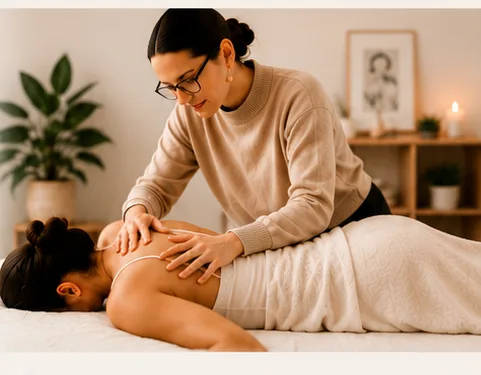
Reference placeholder — not an actual photo of Bryhnn
My Approach
Care that looks at the whole picture — and works with you, not on you.
My approach to osteopathy is grounded in understanding how your body moves, adapts and responds — and in supporting you with care that's individualized, collaborative and attuned to your life.

Reference placeholder — not an actual photo of Bryhnn
01
Looking beyond where it hurts.
You are more than your symptoms. I want to understand the whole context of your body and your life — your work, sleep, movement, past injuries, stress, hobbies and daily routines.
This bigger picture helps me understand what's contributing to your symptoms so we can work toward meaningful, lasting change.
Because the place you feel something isn't always the only place worth looking.
Reference placeholder — not an actual photo of Bryhnn
02
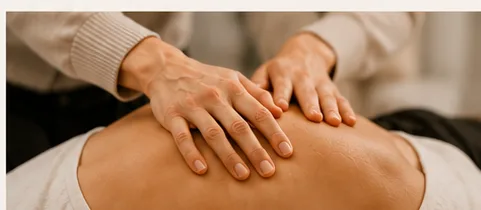
I look for relationships, not isolated parts.
The body doesn't move as separate pieces. During assessment, I look at how different areas move and relate, following patterns through joints, muscles, fascia and the structures that connect one area to another.
Rather than following a predetermined formula, I let what I find guide where I look next.
Assess. Treat. Reassess. Treatment itself gives me information. As your body responds, I continually reassess and adapt what I'm doing.
03
Treatment should be a collaboration.
You know what it's like to live in your body better than anyone else.
I bring my understanding of anatomy, movement and osteopathic principles. You bring your experience — what you're feeling, what has changed, what your days look like and what is realistically doable in your life.
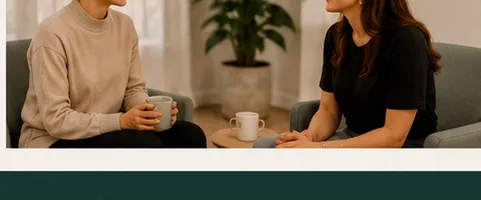
Communication is part of treatment. I want you to feel heard, ask questions and be involved in decisions about your care.
My role isn't to “fix” you. It's to listen, interpret what I'm finding and work with you and your body toward more comfortable, adaptable movement.
Reference placeholder — not an actual photo of Bryhnn
04
What happens off the table matters too.
The way you use your body during the rest of your day can support — or continually challenge — the changes we're working toward.
My background in yoga and movement education influences how I think about this. When useful, we may explore simple changes to positioning, movement or everyday habits that make sense for your life.
When targeted rehabilitation or another form of care would be helpful, I'm happy to collaborate with or refer to the appropriate practitioner.
Care that responds to you.
There isn't one treatment plan that fits everybody.
Some people respond quickly and return only when they feel they need support. Other patterns have developed over time and may benefit from slower, more gradual change. Your treatment plan can evolve with you.
“The goal isn't to impose change on your body. It's to create the conditions that help it move and adapt more freely.”